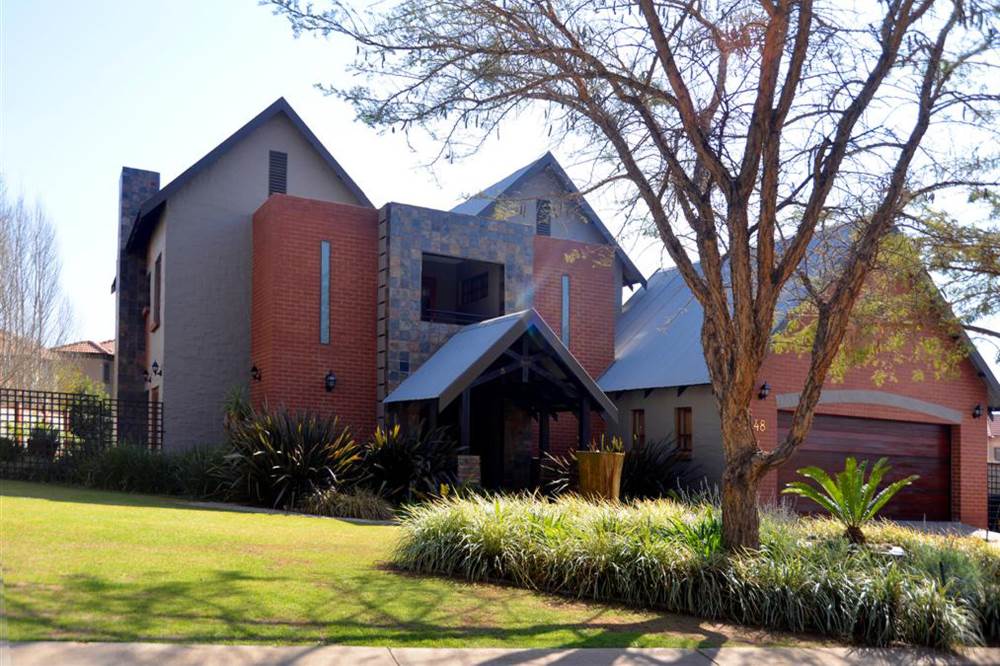
 Clay brick construction fulfils all three sustainable development imperatives – economic, social and environmental – according to Dirk Meyer, managing director of Corobrik.
Meyer maintains that sustainable development is a key element of the company’s philosophy, both in manufacturing processes and with regard to the use and performance of their products.
He added that, from an economic point of view, clay face brick performance offers lowest lifecycle costs for the construction of buildings.
“First cost is the last cost,” says Meyer. “Clay brick requires little to no on-going maintenance over its lifetime, which is considerably longer than other alternative building materials.”
Thermal efficiency of clay brick helps reduce operating energy utility and costs, helping keep rooms cooler in the summer and warmer in the winter.
Clay brick construction’s enduring ‘green’ and lifecycle cost-saving attributes are well presented in a variety of research studies undertaken in South Africa, Australia and the USA.
All studies, no more so than that undertaken by WSP Green by Design in South Africa, found that insulated double skin clay brick houses, in compliance with SANS 204 Energy Standards for masonry building, when compared to insulated lightweight system building technologies such as LSFB, provided superior thermal comfort and lower heating and energy usage. Clay brick construction provided best payback for the insulation applied in the walling envelopes.
The ‘green’ attributes of clay brick are reinforced in research by the National Brick Research Centre at Clemson University in the USA that found clay brick outperformed Fibre Cement and EIFS in a cradle-to-grave lifecycle assessment of energy consumed and pollution generated by different walling materials.
A Life Cycle Assessment by Energetics in Australia confirms that the superior thermal performance advantages of clay brick construction compound into the future, due to the longevity of clay brick construction.
Meyer tums it up as follows; clay brick offers a basket of sustainable development credentials, its status as a ‘green’ building material encompassing durability, longevity, low maintenance, energy efficiency, the capacity for reuse and recycling, as well as providing healthy indoor air quality and comfort, with timeless natural beauty.